EN
EN
 CHN
CHN
 VN
VN
รก.อธิการบดี มนพ. แถลงนโยบายขับเคลื่อนมหาวิทยาลัยด้วยระบบ Transform to New S – Curve สู่การเป็นมหาวิทยาลัยนครพนมเป็นที่พึ่งของสังคมและชุมชน (The Acting President of Nakhon Phanom University announced the policy to drive the university using the Transform to New S-Curve system toward Nakhon Phanom University becoming a source of support for society and the community.)
นางสาววรรณวชิรา จันทะเมธี 2023-09-20 17:28:45 2,538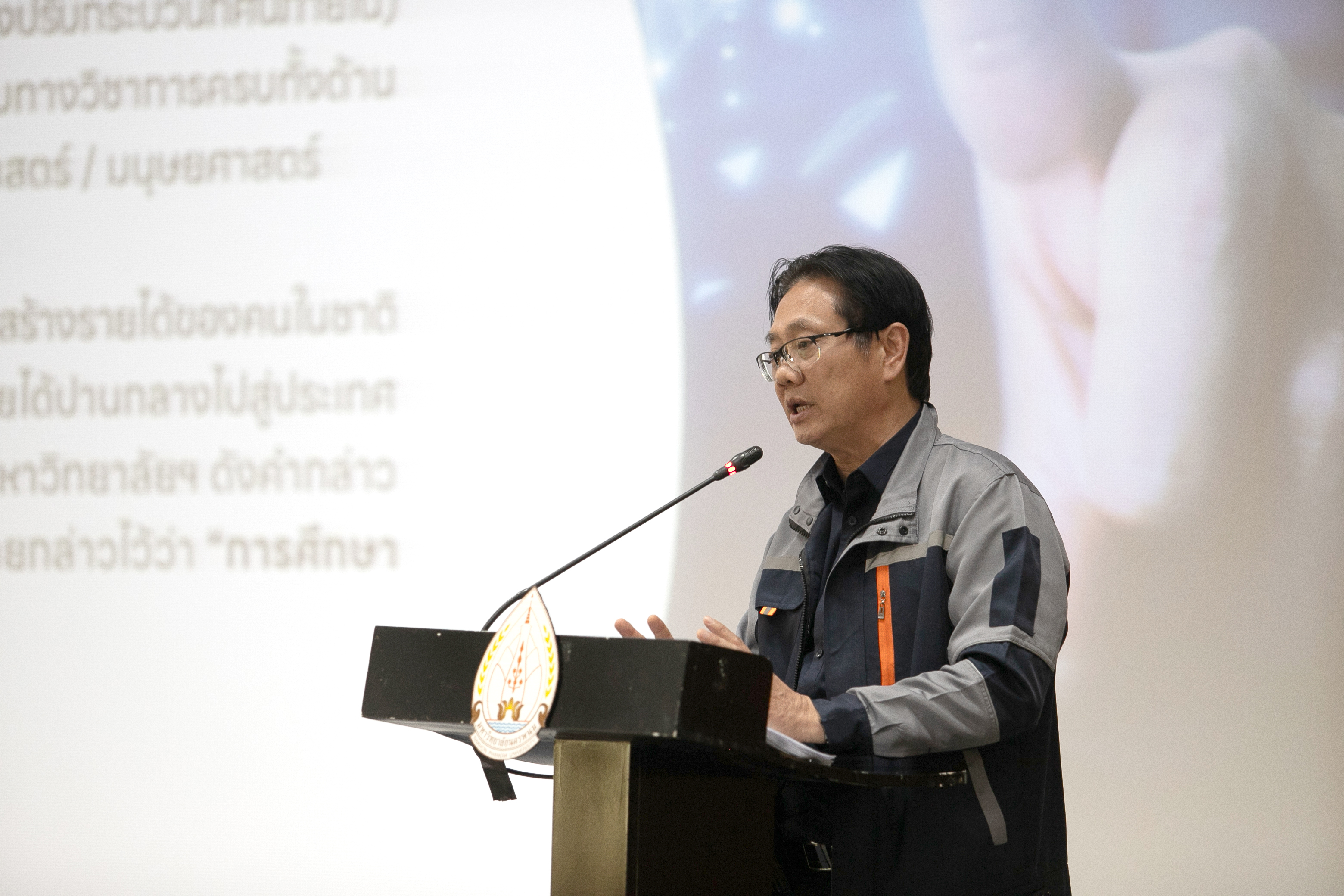
วันที่ 20 กันยายน 2566 เวลา 13.30 น. ณ ห้องพนมนาคา ชั้น 5 อาคารสารสนเทศเพื่อการบริหาร มหาวิทยาลัยนครพนม ศาสตราจารย์ ดร.ธวัชชัย ศุภดิษฐ์ รักษาราชการแทนอธิการบดีมหาวิทยาลัยนครพนม ได้แถลงนโยบายการบริหารงานตามแผนยุทธศาสตร์ 5 ปี พ.ศ. 2565-2569 ประจำปีงบประมาณ พ.ศ. 2567 แก่ประชาคมมหาวิทยาลัยนครพนมทั้งภายในและภายนอก เพื่อแสดงวิสัยทัศน์การบริหารมหาวิทยาลัยสู่การเป็นที่พึ่งของสังคมและชุมชน ด้วยระบบการ Transform to New S – Curve 12 องค์ประกอบ ได้แก่
องค์ประกอบที่ 1 ทิศทางของการ Transform to New S – Curve ที่เป็นเป้าหมายของการพัฒนาในระยะยาว
องค์ประกอบที่ 2 วางแผนยุทธศาสตร์ระยะยาว กำหนดแผนงาน/ทิศทางเพื่อรองรับการเป็นมหาวิทยาลัยสมบูรณ์แบบ (Comprehensive University) ในกำกับของรัฐ แบบรวมบริการ ประสานภารกิจ
องค์ประกอบที่ 3 กำหนดแผนคน จัดเตรียมบุคลากร สร้างระบบการบริหารงานบุคคลให้มีประสิทธิภาพทางการบริหาร พัฒนาทั้งสายคณาจารย์และผู้ปฏิบัติงานสายสนับสนุนทั้งบุคลากรเก่าและบุคลากรใหม่ เพื่อเพิ่มสมรรถนะให้ตรงตามบริบทของศาสตร์และหน่วยงานของตนเอง
องค์ประกอบที่ 4 จัดระบบการเงิน กำหนดแผนเงิน โดยสร้างระบบการบริหารเงิน ทั้งการหารายได้และการบริหารรายจ่าย ภายใต้กรอบรวมของเงินงบประมาณแผ่นดินและเงินรายได้ ในลักษณะงบประมาณแบบวงเงินรวมของมหาวิทยาลัยฯ ในบริบทที่ต้องคำนึงถึงความเสี่ยงในอนาคตมาประกอบ
องค์ประกอบที่ 5 ปรับโครงสร้างองค์กร เตรียมการ Transform สู่ New S – Curve ใหม่ ด้วยการเริ่มตั้งแต่การปรับวัฒนธรรมองค์กร และระบบการบริหารงานแบบรวมบริการ ประสานภารกิจ เพื่อเพิ่มประสิทธิภาพ ความรวดเร็ว และยั่งยืน
องค์ประกอบที่ 6 พัฒนาโครงสร้างพื้นฐานของมหาวิทยาลัย (Green and Sustainable Campus) สิ่งอำนวยความสะดวก (Smart Facilities) ห้องเรียนอัจฉริยะ (Smart Classroom) และระบบสารสนเทศ/ดิจิทัลเพื่อรองรับการศึกษาสมัยใหม่ (Virtual and Smart University)
องค์ประกอบที่ 7 พัฒนาหลักสูตรที่มีคุณลักษณะเฉพาะและการเรียนการสอนสมัยใหม่ที่เน้นคุณภาพ พร้อมเพิ่มทักษะการคิดวิเคราะห์/UKPSF รองรับยุค New Normal and New Innovation
องค์ประกอบที่ 8 การสร้างนักศึกษาให้มีคุณลักษณะ (DNA) ตามอัตลักษณ์ที่พึงประสงค์ ตามแบบฉบับนักศึกษาของมหาวิทยาลัยนครพนม “จิตสาธารณะ พร้อมทักษะการทำงาน” ด้วยการเรียนรู้แบบควบคู่กับการสหกิจศึกษาในเชิงบูรณาการกับการทำงาน (Cooperative and Work Integrated Education: CWIE)
องค์ประกอบที่ 9 เชื่อมโยงความสัมพันธ์กับศิษย์เก่า/สมาคมศิษย์เก่า เพื่อการพัฒนาศักยภาพอย่างต่อเนื่อง เป็นการเรียนรู้ตลอดชีวิต Lifelong Learning
องค์ประกอบที่ 10 พัฒนางานวิจัยเพื่อเพิ่มศักยภาพและการสร้างนวัตกรรมเพื่อเพิ่มมูลค่าในฐานะเป็นเสาหลักทางความคิด (Think Tank) ของการพัฒนาชุมชนท้องถิ่น
องค์ประกอบที่ 11 สู่สถาบันการศึกษาที่มุ่งเน้นการบริการวิชาการและการพัฒนาเชิงพื้นที่ (Area – Based University) ตอบโจทก์การพัฒนาชุมชน สังคม ท้องถิ่น ศิลปวัฒนธรรมและเศรษฐกิจของประเทศเพื่อความมั่นคงและยั่งยืน
องค์ประกอบที่ 12 การอำนวยการ/การกำกับ/การติดตามที่มีประสิทธิภาพของอธิการบดีและผู้บริหารที่จะนำไปสู่การปฏิบัติ ควบคู่ไปกับการมีส่วนร่วมของทุกภาคส่วนที่จะร่วมกันขับเคลื่อนและพัฒนามหาวิทยาลัยฯ
โดยนโยบาย ทั้ง 12 องค์ประกอบนี้ จะเป็นแผนพัฒนายุทธศาสตร์ที่สำคัญในการขับเคลื่อนภารกิจของมหาวิทยาลัยในทุกมิติให้สอดคล้องกับวิสัยทัศน์ ทั้งนี้ การดำเนินงานจะเดินหน้าต่อไปไม่ได้หากขาดความร่วมมือจากทุกภาคส่วนในหน่วยงาน
ทั้งนี้มีตัวแทนภาคเอกชน อาทิ ประธานหอการค้าจังหวัดนครพนม กลุ่มผู้ประกอบการรุ่นใหม่ (YEC) และตัวแทนสภาอุตสากกรรม รวมถึงหน่วยงานราชการต่างๆในจังหวัดนครพนม ให้ความสนใจเข้าร่วมรับฟังการแสดงวิสัยทัศน์ในครั้งนี้ด้วย
September 20, 2023, 1:30 PM At the Panom Naga Room, 5th Floor, Information Management Building, Nakhon Phanom University, Professor Dr. Thawatchai Supadit, Acting President of Nakhon Phanom University, announced the management policy based on the 5-year strategic plan. Professor Fiscal Year 2565-2569 Professor 2567 to the entire Nakhon Phanom University community, both internal and external, to showcase the university's administrative vision of becoming a pillar of support for society and the community thru the 12-component Transform to New S-Curve system, which includes:
Element 1: The direction of the Transform to New S-Curve, which is the long-term development goal.
Component 2: Long-Term Strategic Planning - Defining work plans/directions to support becoming a comprehensive state-run university with integrated services and coordinated missions.
Element 3: Define the human resource plan, prepare personnel, and establish an efficient human resource management system. Develop both faculty and support staff, including existing and new personnel, to enhance their competencies in line with the context of their respective disciplines and departments.
Component 4: Financial System Organization and Financial Planning. This involves establishing a financial management system for both revenue generation and expenditure management, within the overall framework of national budget funds and revenue, using a lump-sum budget approach for the university, while considering future risks.
Element 5: Restructuring the organization to prepare for transformation toward a new S-curve, starting with adjusting the organizational culture and implementing a service-integrated, mission-coordinated management system to enhance efficiency, speed, and sustainability.
Component 6: Develop University Infrastructure (Green and Sustainable Campus), Facilities (Smart Facilities), Smart Classrooms, and Information/Digital Systems to Support Modern Education (Virtual and Smart University).
Element 7: Develop curricula with specific characteristics and modern, quality-focused teaching methods, while enhancing analytical thinking skills/UKPSF to support the New Normal and New Innovation era.
Element 8: Cultivating Student Characteristics (DNA) Aligned with Desired Identity, Based on the Typical Nakhon Phanom University Student Profile: "Public Spirit with Work Skills" Thru Cooperative and Work Integrated Education (CWIE)
Element 9: Building relationships with alumni/alumni associations for continuous capacity development, representing lifelong learning.
Element 10: Develop research to enhance potential and foster innovation, adding value as the intellectual pillar (Think Tank) for local community development.
Element 11: Toward an institution focused on academic service and regional development (Area-Based University), addressing the development of communities, society, local areas, arts and culture, and the economy of the country for security and sustainability.
Element 12: Effective leadership/supervision/monitoring by the President and administrators to drive implementation, coupled with the participation of all sectors to jointly drive and develop the university.
These 12 policy components will serve as a crucial strategic development plan to drive the university's mission in all dimensions in line with its vision. However, this work cannot proceed without the cooperation of all sectors within the institution.
Representatives from the private sector, such as the President of the Nakhon Phanom Chamber of Commerce, the Young Entrepreneurs Council (YEC), and representatives from the Industrial Council, as well as various government agencies in Nakhon Phanom province, also expressed interest in attending this vision presentation.
ภาพ: วุฒิธิกรณ์ ประพัศรางค์
ข่าว: วรรณวชิรา จันทะเมธี